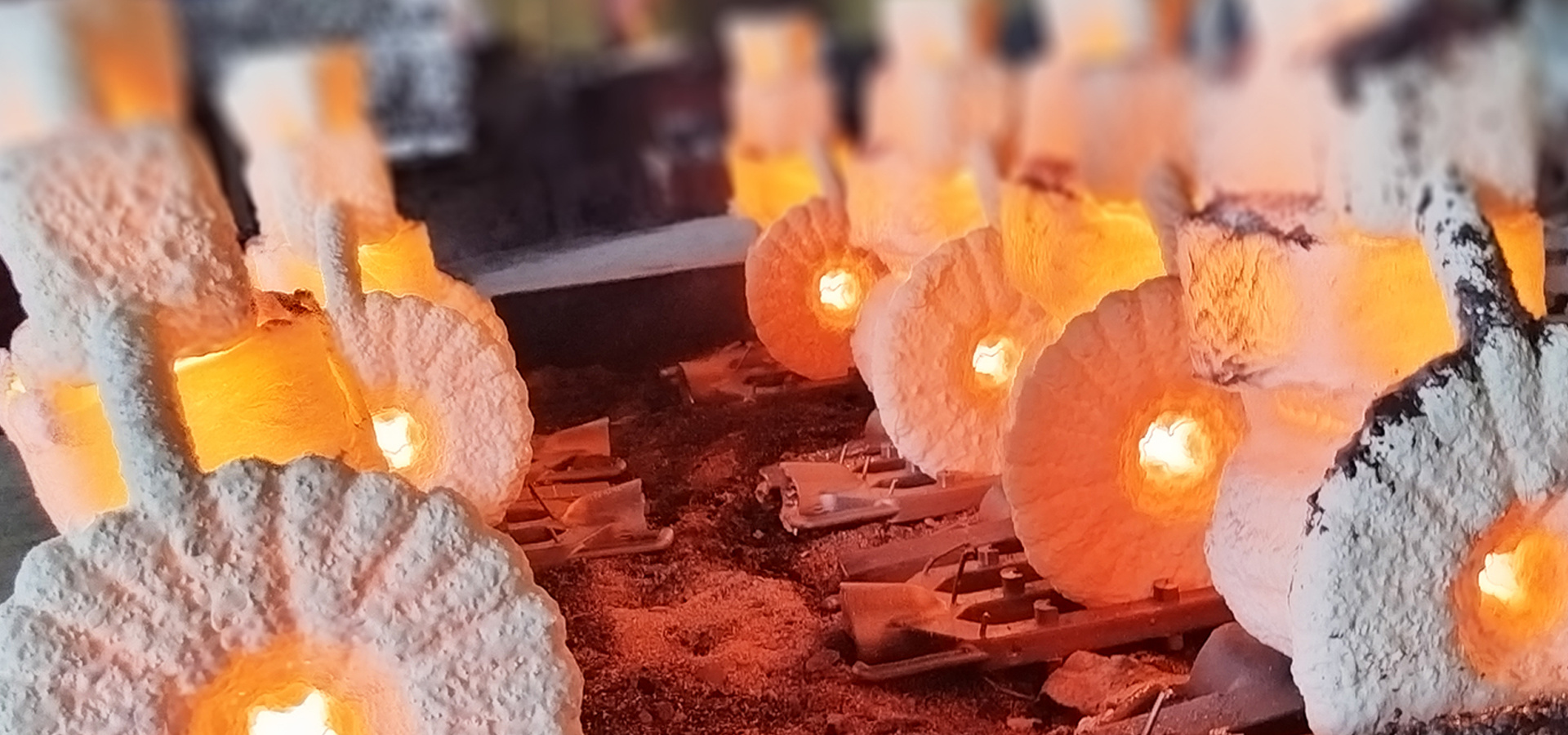
VDV maintains high standards for strict quality control and promises to strictly observe the delivery schedule.
MORE +
There are two major categories of lost wax casting: solid mold and ceramic shell mold. The ceramic shell mold is a modified method from solid mold.
MORE +
VDV provides rough stainless steel precision castings for numerous well-known global companies and has been recognized as an outstanding supplier multiple times.
MORE +
Investment casting can apply any material and more flexible of production capacity.
MORE +
All our endeavors are geared towards becoming your premier provider of precision castings!
MORE +
Argon shielding (purity ≥99.999%), ER316L filler wire, post-weld grinding to Ra ≤6.3 μm.
MORE +The Art and Science of Precision Casting: A Deep Dive
Release time:
Aug 15,2025
Understanding Precision Casting
Precision casting, often dubbed as the "lost-wax process", is a fascinating technique that's been around for centuries. You might ask, what's the big deal? Well, it's all about creating intricate shapes and designs that would be near impossible to replicate with traditional methods. This process is a game-changer in various industries, from aerospace to medical devices.
The Process: How Does It Work?
So, let's break it down. At its core, precision casting involves several key steps:
- Wax Model Creation: Initially, a model is crafted from wax. This model is a replica of the final product.
- Mold Formation: Next, the wax model is coated with a ceramic material, which hardens and forms a mold.
- Wax Removal: The mold is then heated, causing the wax to melt away (hence the name lost-wax).
- Metal Pouring: Now comes the fun part—pouring molten metal into the mold!
- Cooling and Finishing: Once cooled, the mold is broken away, revealing the final product, which may require some finishing touches.
Why Choose Precision Casting?
Why opt for precision casting over other methods? Well, for starters, you get unmatched accuracy. This technique allows for incredibly tight tolerances, making it perfect for components that require a high degree of precision. Moreover, it's a cost-effective solution for small to medium production runs. Talk about a win-win!
Applications of Precision Casting
Precision casting is not a one-trick pony. It's used across various fields:
- Aerospace: Parts that need to withstand extreme conditions are often made through precision casting.
- Automotive: Engine components, brackets, and housings are common applications.
- Medical Devices: Surgical instruments and implants benefit greatly from this technique.
- Jewelry: Yep, you heard that right! Precision casting is also used to create stunning jewelry pieces.
The Future of Precision Casting
As technology advances, so does precision casting. Innovations such as 3D printing and computer-aided design are revolutionizing the industry. Can you imagine a world where custom parts are printed on-demand? It's not far-fetched! The combination of these technologies might just lead to a new era of manufacturing.
Challenges and Considerations
Of course, it's not all smooth sailing. There are challenges that come with precision casting. For instance, the initial setup costs can be high, and the process requires skilled labor. Plus, there's the matter of material selection. Not every metal is suitable for precision casting, and finding the right one is crucial.
Final Thoughts
In a nutshell, precision casting is a remarkable blend of art and science. From its intricate processes to its wide-ranging applications, it's clear that this technique holds a significant place in modern manufacturing. So, whether you're in aerospace, automotive, or even jewelry design, precision casting might just be the secret ingredient you're looking for. Why not give it a whirl?
Related News
Welcome Alfa Laval‘s Expert Guidance Visit
Aug 10,2025
Welcome SPX leaders to visit and guide us
May 22,2025
Warmly welcome GEMU leaders to visit
Aug 09,2025
Tel:
E-mail:
Address:
Dazhuge Industrial Park Licha Town Jiaozhou Qingdao CHINA


Message