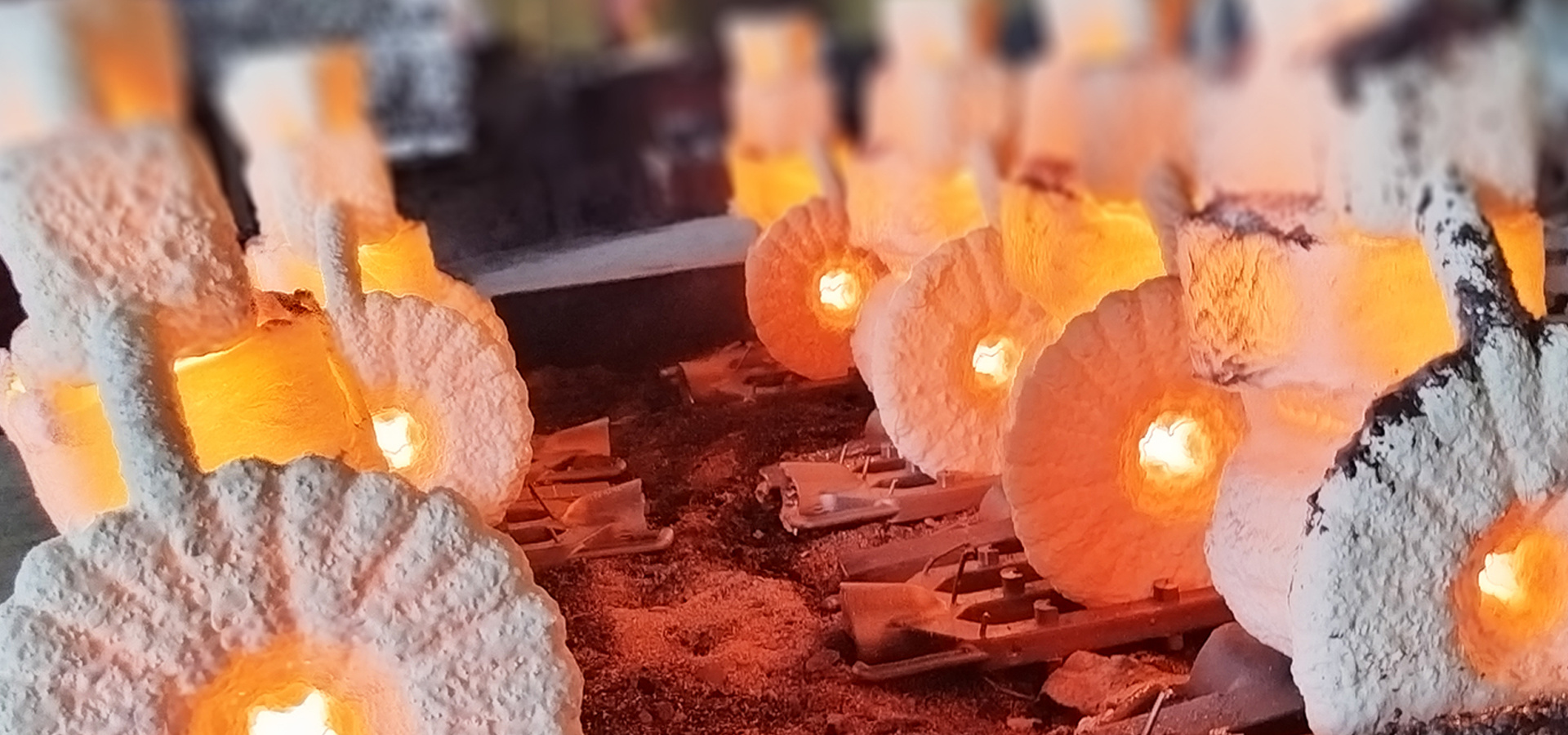
VDV maintains high standards for strict quality control and promises to strictly observe the delivery schedule.
MORE +
There are two major categories of lost wax casting: solid mold and ceramic shell mold. The ceramic shell mold is a modified method from solid mold.
MORE +
VDV provides rough stainless steel precision castings for numerous well-known global companies and has been recognized as an outstanding supplier multiple times.
MORE +
Investment casting can apply any material and more flexible of production capacity.
MORE +
All our endeavors are geared towards becoming your premier provider of precision castings!
MORE +
Argon shielding (purity ≥99.999%), ER316L filler wire, post-weld grinding to Ra ≤6.3 μm.
MORE +Unlocking the Secrets of Casting Lost Wax: A Timeless Art
Release time:
Nov 14,2025
The Allure of Casting Lost Wax
If you've ever marveled at a beautifully crafted piece of jewelry or a stunning sculpture, you might be surprised to learn that some of the most exquisite works are born from an ancient technique known as casting lost wax. This method, steeped in history, has not only stood the test of time but continues to inspire artists and craftsmen today.
A Glimpse into History
Dating back thousands of years, casting lost wax, or what some might call investment casting, is one of the oldest metalworking techniques known to humanity. The process was first documented in ancient Mesopotamia and has since been used to create everything from intricate jewelry to monumental sculptures. Imagine the artisans of yore, meticulously crafting their molds, pouring molten metal, and unveiling their masterpieces! It's a craft that connects us to our past.
How It Works: The Process Unveiled
So, how exactly does this age-old technique work? Let's break it down:
- Step 1: Start with a model made of wax. This can be anything from a simple shape to a complex design.
- Step 2: Coat the wax model in a heat-resistant material, often a mixture of clay and sand, creating a mold.
- Step 3: Heat the mold to melt away the wax, leaving a hollow cavity in the shape of your original model. This is where the term “lost wax” comes into play!
- Step 4: Pour molten metal into the mold, allowing it to take on the intricate details of the original wax model.
- Step 5: Once the metal cools, break away the mold to reveal your stunning new piece!
Why Artists Love It
Now, you might be wondering why casting lost wax remains so popular among artists and jewelers. Well, for starters, this technique allows for incredible detail and precision that's hard to achieve with other methods. Whether it's a delicate filigree on a ring or the lifelike expression on a statue, the lost wax process can capture it all!
Additionally, the versatility of materials is a huge plus. From gold and silver to bronze and brass, artists can play with various metals, each bringing its own unique character to the final piece. Talk about creative freedom!
Modern Applications
While casting lost wax has deep roots in the art world, its applications don't end there. This technique has also found its way into the realms of technology and manufacturing. For instance, aerospace and automotive industries use lost wax casting to produce intricate and precise components that are essential for high-performance machinery. It's fascinating how an ancient art form can contribute to modern engineering, isn't it?
Challenges and Considerations
Of course, like any craft, casting lost wax comes with its challenges. The initial setup can be time-consuming, and one must have a keen eye for detail to ensure the final product meets expectations. Moreover, the process requires safety precautions, especially when dealing with molten metals.
But hey, every art form has its hurdles, right? The satisfaction of creating something beautiful and unique makes it all worthwhile!
The Future of Casting Lost Wax
As we look ahead, it's clear that casting lost wax will continue to evolve. With advancements in technology, such as 3D printing, artists are now able to create more complex designs that can be seamlessly integrated into the lost wax process. This fusion of old and new is what keeps this age-old technique alive and thriving.
In conclusion, whether you're an artist, a jeweler, or just someone who appreciates the beauty of craftsmanship, casting lost wax offers a window into a world of creativity and history. So next time you admire a piece of art or jewelry, remember the incredible journey it took to come to life!
Related News
Welcome Alfa Laval‘s Expert Guidance Visit
Aug 10,2025
Welcome SPX leaders to visit and guide us
May 22,2025
Warmly welcome GEMU leaders to visit
Aug 09,2025
Tel:
E-mail:
Address:
Dazhuge Industrial Park Licha Town Jiaozhou Qingdao CHINA


Message