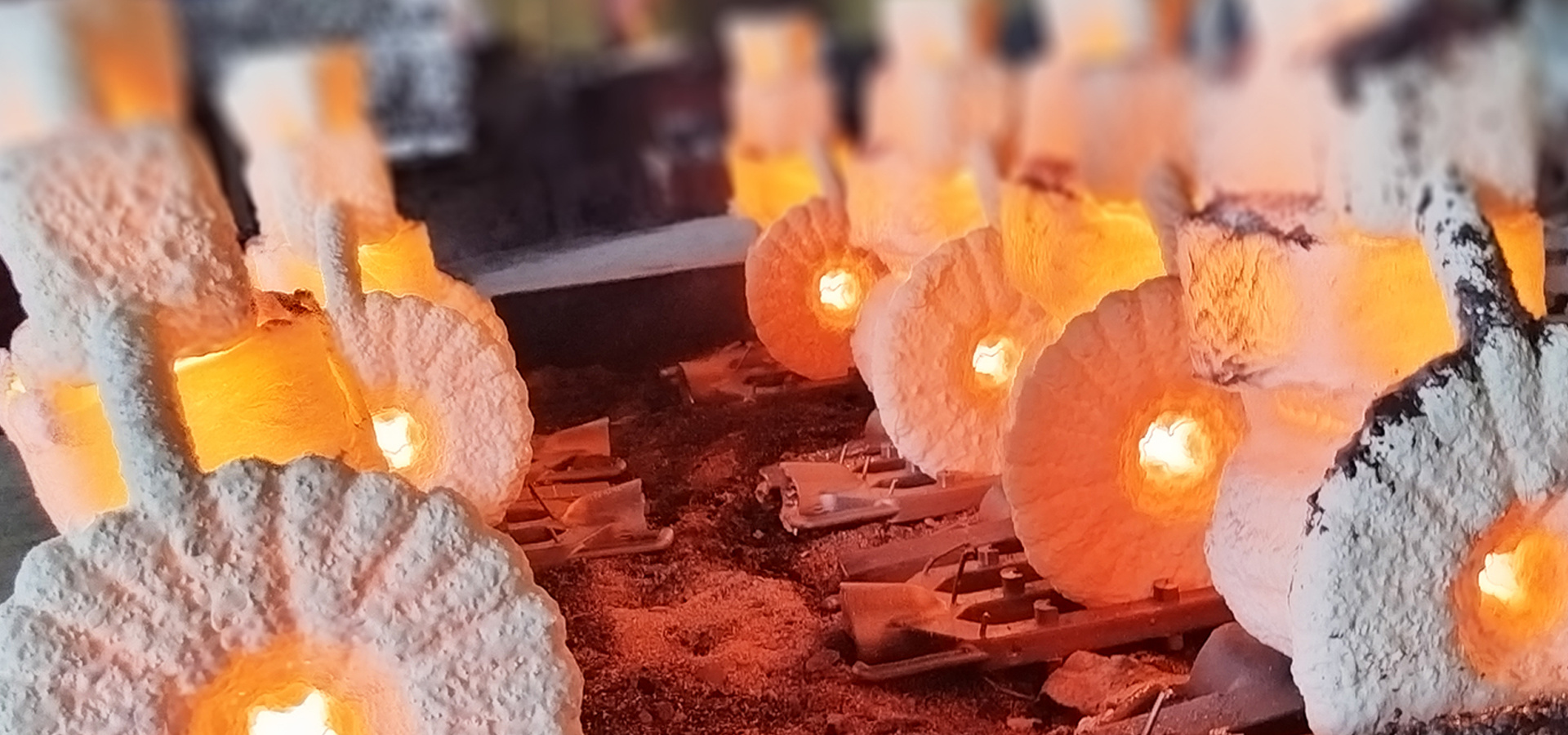
VDV maintains high standards for strict quality control and promises to strictly observe the delivery schedule.
MORE +
There are two major categories of lost wax casting: solid mold and ceramic shell mold. The ceramic shell mold is a modified method from solid mold.
MORE +
VDV provides rough stainless steel precision castings for numerous well-known global companies and has been recognized as an outstanding supplier multiple times.
MORE +
Investment casting can apply any material and more flexible of production capacity.
MORE +
All our endeavors are geared towards becoming your premier provider of precision castings!
MORE +
Argon shielding (purity ≥99.999%), ER316L filler wire, post-weld grinding to Ra ≤6.3 μm.
MORE +The Art and Science of Lost Wax Casting: A Timeless Technique
Release time:
Nov 17,2025
The Art and Science of Lost Wax Casting
Ever heard of lost wax casting? Well, if you haven't, you're in for a treat! This ancient technique, dating back thousands of years, has been the backbone of artistic metalworking. It's like a magic trick, but instead of pulling rabbits out of hats, artisans conjure beautiful sculptures and intricate jewelry out of molten metal. Let's dive into this captivating world!
What is Lost Wax Casting?
To put it simply, lost wax casting (also known as cire perdue) is a method used to create metal objects by pouring molten metal into a mold formed from a wax model. Sounds straightforward, right? But there's a bit more to it than meets the eye!
A Brief History
This technique has roots in ancient civilizations. The Egyptians, Greeks, and even the Chinese employed this method for various purposes, from crafting intricate jewelry to creating large sculptures. The process was refined over the centuries, but the essence remains the same: create a mold, melt away the wax, and fill the space with metal. Voila!
How Does It Work?
Alright, let's break this down. The lost wax casting process involves several key steps:
- Model Creation: An artist sculpts a model using wax. This model can be as detailed as they wish, capturing every nuance of their design.
- Mold Making: The wax model is encased in a heat-resistant material, usually plaster or ceramic. Once it's set, the mold is heated to melt and drain out the wax, leaving a cavity.
- Metal Pouring: The artisan then pours molten metal into the cavity. The heat from the metal creates a vacuum that draws it in, filling every little detail.
- Finishing Touches: After the metal cools, the mold is broken away, revealing the cast object. This is often followed by polishing, patination, or even additional sculpting to achieve the final look.
Why Choose Lost Wax Casting?
You might be wondering, “Why go through all that trouble?” Well, there are several reasons:
- Complexity: The method allows for intricate designs that would be nearly impossible to achieve with other techniques.
- Durability: The final products are often robust and can last for generations, making them ideal for heirlooms.
- Versatility: Lost wax casting can be used with various metals, from gold and silver to bronze and even aluminum.
Modern Applications
In today's world, lost wax casting has found its place not just in art, but also in industrial applications. Jewelry designers, sculptors, and even engineers utilize this method to create everything from custom pieces to functional parts. Talk about versatility!
The Fusion of Art and Technology
Interestingly, modern technology has also made its way into this age-old technique. 3D printing is now often used to create the initial wax models, allowing for unprecedented precision and creativity. Now that's a match made in metal heaven!
Challenges and Considerations
Of course, like any craft, lost wax casting comes with its challenges. The process requires skill and patience, and every step must be executed with precision. A small mistake can lead to a flawed piece, and nobody wants that!
Moreover, the safety aspect can't be overlooked. Working with molten metal requires caution; accidents can be severe. So, if you're thinking about diving into this craft, make sure to equip yourself with knowledge and safety gear!
Final Thoughts
So, there you have it! Lost wax casting is a fascinating blend of art and science that has stood the test of time. Whether you're an artist looking to explore new techniques or simply someone who appreciates the beauty of craftsmanship, this method is worth knowing about. Who knows? You might just find yourself inspired to create your own masterpiece!
Related News
Welcome Alfa Laval‘s Expert Guidance Visit
Aug 10,2025
Welcome SPX leaders to visit and guide us
May 22,2025
Warmly welcome GEMU leaders to visit
Aug 09,2025
Tel:
E-mail:
Address:
Dazhuge Industrial Park Licha Town Jiaozhou Qingdao CHINA


Message