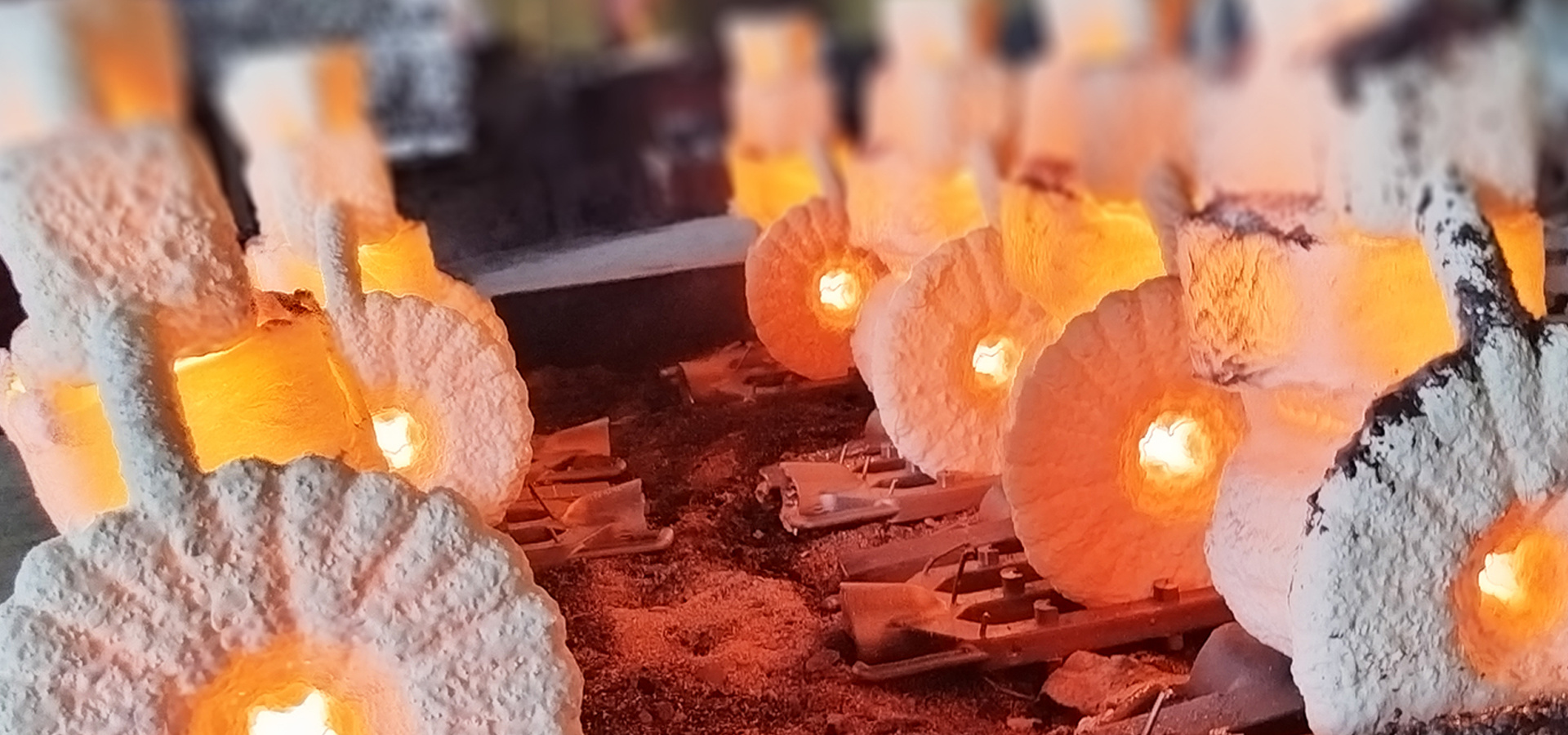
VDV maintains high standards for strict quality control and promises to strictly observe the delivery schedule.
MORE +
There are two major categories of lost wax casting: solid mold and ceramic shell mold. The ceramic shell mold is a modified method from solid mold.
MORE +
VDV provides rough stainless steel precision castings for numerous well-known global companies and has been recognized as an outstanding supplier multiple times.
MORE +
Investment casting can apply any material and more flexible of production capacity.
MORE +
All our endeavors are geared towards becoming your premier provider of precision castings!
MORE +
Argon shielding (purity ≥99.999%), ER316L filler wire, post-weld grinding to Ra ≤6.3 μm.
MORE +Essential Tips for Successful Stainless Steel Precision Casting
Release time:
Dec 04,2025
Understanding Stainless Steel Precision Casting
Stainless steel precision casting, or as we say in Chinese, Stainless Steel Precision Casting, is a fascinating process that combines artistry with science. This method allows for the creation of intricate parts with outstanding precision and surface finish. However, before diving headfirst into this world, there are some key considerations to keep in mind.
Material Selection: The Foundation of Quality
First and foremost, the choice of stainless steel alloy is critical. Not all stainless steels are created equal! Depending on the application, you might need specific properties such as corrosion resistance, strength, or ductility. For instance, 316 stainless steel is renowned for its excellent corrosion resistance in marine environments, making it a go-to for many manufacturers. Do your homework and choose wisely!
Design Considerations: Function Meets Form
Next up on our list is the design of the component. When it comes to stainless steel precision casting, intricate designs can be your best friend or worst enemy. While complex shapes are certainly possible, they can also complicate the casting process. Aim for a design that balances aesthetics with manufacturability. And remember, the thinner the walls, the more challenging the casting process becomes!
The Importance of Tolerances
Speaking of design, let's chat about tolerances. In the world of precision casting, tolerances are everything! They define how closely the final product will match the intended design specifications. It's crucial to set realistic tolerances that can be achieved during the casting process. Overly tight tolerances may lead to increased costs and production delays, so keep it practical!
Mold Design: A Crucial Step
Mold design is another critical factor to consider. A well-designed mold not only aids in producing high-quality parts but also streamlines the casting process. Ensure that the mold allows for easy metal flow and minimizes the chances of defects. Incorporating features like vents and risers can significantly enhance the quality of the cast.
Temperature Control: Keeping it Just Right
Temperature control is paramount in stainless steel precision casting. Too hot, and you risk oxidation; too cool, and you might encounter issues like incomplete filling or poor surface finish. It's a delicate balancing act, folks! Investing in high-quality temperature monitoring equipment can save you from costly mistakes down the line.
Post-Casting Treatment: The Finishing Touch
Once the casting is complete, the fun doesn't stop there. Post-casting treatments, such as heat treatment or surface finishing, can greatly enhance the properties of your stainless steel components. Heat treatment can improve strength and reduce residual stresses, while surface finishing can provide the aesthetic appeal that's often desired in precision parts. Don't skip this crucial step!
Quality Control: No Compromises!
Finally, let's talk quality control. Implementing rigorous inspection protocols is essential to ensure that every component meets the required standards. Techniques like ultrasonic testing, X-ray inspection, and dimensional checks can help catch defects early, saving time and money in the long run. Remember: in precision casting, quality is non-negotiable!
Final Thoughts
So there you have it! A whirlwind tour through the essential considerations for stainless steel precision casting, or Stainless Steel Precision Casting. By keeping these tips in mind, you can enhance your production process and create components that stand the test of time. Happy casting!
Related News
Welcome Alfa Laval‘s Expert Guidance Visit
Aug 10,2025
Welcome SPX leaders to visit and guide us
May 22,2025
Warmly welcome GEMU leaders to visit
Aug 09,2025
Tel:
E-mail:
Address:
Dazhuge Industrial Park Licha Town Jiaozhou Qingdao CHINA


Message