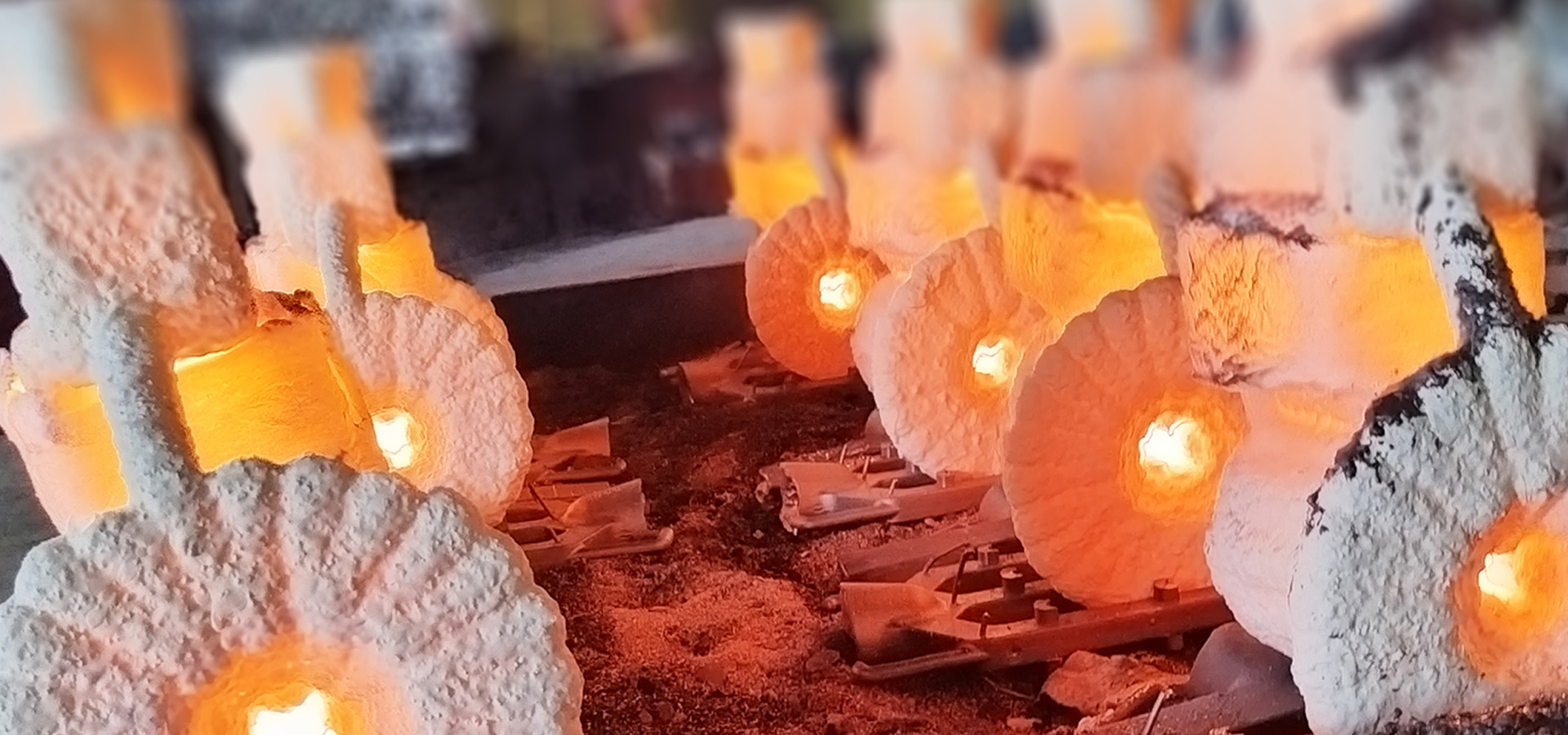
VDV maintains high standards for strict quality control and promises to strictly observe the delivery schedule.
MORE +
There are two major categories of lost wax casting: solid mold and ceramic shell mold. The ceramic shell mold is a modified method from solid mold.
MORE +
VDV provides rough stainless steel precision castings for numerous well-known global companies and has been recognized as an outstanding supplier multiple times.
MORE +
Investment casting can apply any material and more flexible of production capacity.
MORE +
All our endeavors are geared towards becoming your premier provider of precision castings!
MORE +
Argon shielding (purity ≥99.999%), ER316L filler wire, post-weld grinding to Ra ≤6.3 μm.
MORE +Precision Casting: The Art and Science Behind Perfect Parts
Release time:
Sep 12,2025
The Intriguing World of Precision Casting
Ever heard of precision casting? If you haven't, you're in for a treat! This remarkable manufacturing process plays a crucial role in various industries, from aerospace to automotive. It's not just about making parts; it's about crafting perfection.
What Is Precision Casting?
In simple terms, precision casting is a method that allows manufacturers to create highly detailed and complex metal components, often with minimal finishing required. Think of it as a high-tech way to make your favorite metal sculptures, but on a grand scale!
How Does It Work?
Picture this: molten metal is poured into a mold that is designed to the exact specifications of the desired part. Once the metal cools and hardens, the mold is removed, revealing a finely crafted piece. It's like magic, but it's all science and skill!
Why Precision Casting?
So, why should you care about precision casting? Well, let's break it down:
- Accuracy: The process offers high dimensional accuracy, ensuring that the end product fits perfectly into its intended application.
- Complex Designs: It allows for intricate designs that would be impossible with traditional machining methods.
- Material Efficiency: Less waste means more savings! This technique often uses less material compared to other methods.
Applications of Precision Casting
Now, let's talk turkey about where you might encounter precision casting in your day-to-day life:
- Aerospace: Aircraft parts require extreme precision; even a tiny error can lead to catastrophic results!
- Automotive: From engine components to intricate interior parts, precision casting keeps our cars running smoothly.
- Medical Devices: The healthcare industry relies on precision casting for equipment that must function flawlessly.
The Process: Step-by-Step
Let's dive deeper into the nitty-gritty of how precision casting is done:
- Design: It all starts with a detailed design, often created using CAD software.
- Pattern Creation: A pattern is made, which will serve as the mold for the casting process.
- Mold Making: Molds are crafted from the pattern, often using sand or ceramics.
- Melting and Pouring: The metal is melted and poured into the molds.
- Cooling and Finishing: After cooling, molds are removed, and any finishing touches are applied.
Challenges in Precision Casting
Despite its many advantages, precision casting isn't without its challenges:
- Cost: Initial setup can be pricey, especially for small production runs.
- Material Selection: Choosing the right material is crucial; not all metals are suitable for casting.
The Future of Precision Casting
As technology advances, so will precision casting. With the rise of 3D printing and other innovative methods, we can expect even more exciting developments in this field.
Conclusion: Why It Matters
In a world where precision is paramount, precision casting stands out as a vital manufacturing process. Whether you're an engineer, a student, or just a curious mind, understanding this process opens up a whole new realm of possibilities. So the next time you see a finely crafted metal part, remember: it might just be the result of precision casting!
Related News
Welcome Alfa Laval‘s Expert Guidance Visit
Aug 10,2025
Welcome SPX leaders to visit and guide us
May 22,2025
Warmly welcome GEMU leaders to visit
Aug 09,2025
Tel:
E-mail:
Address:
Dazhuge Industrial Park Licha Town Jiaozhou Qingdao CHINA


Message