VDV maintains high standards for strict quality control and promises to strictly observe the delivery schedule.
MORE +
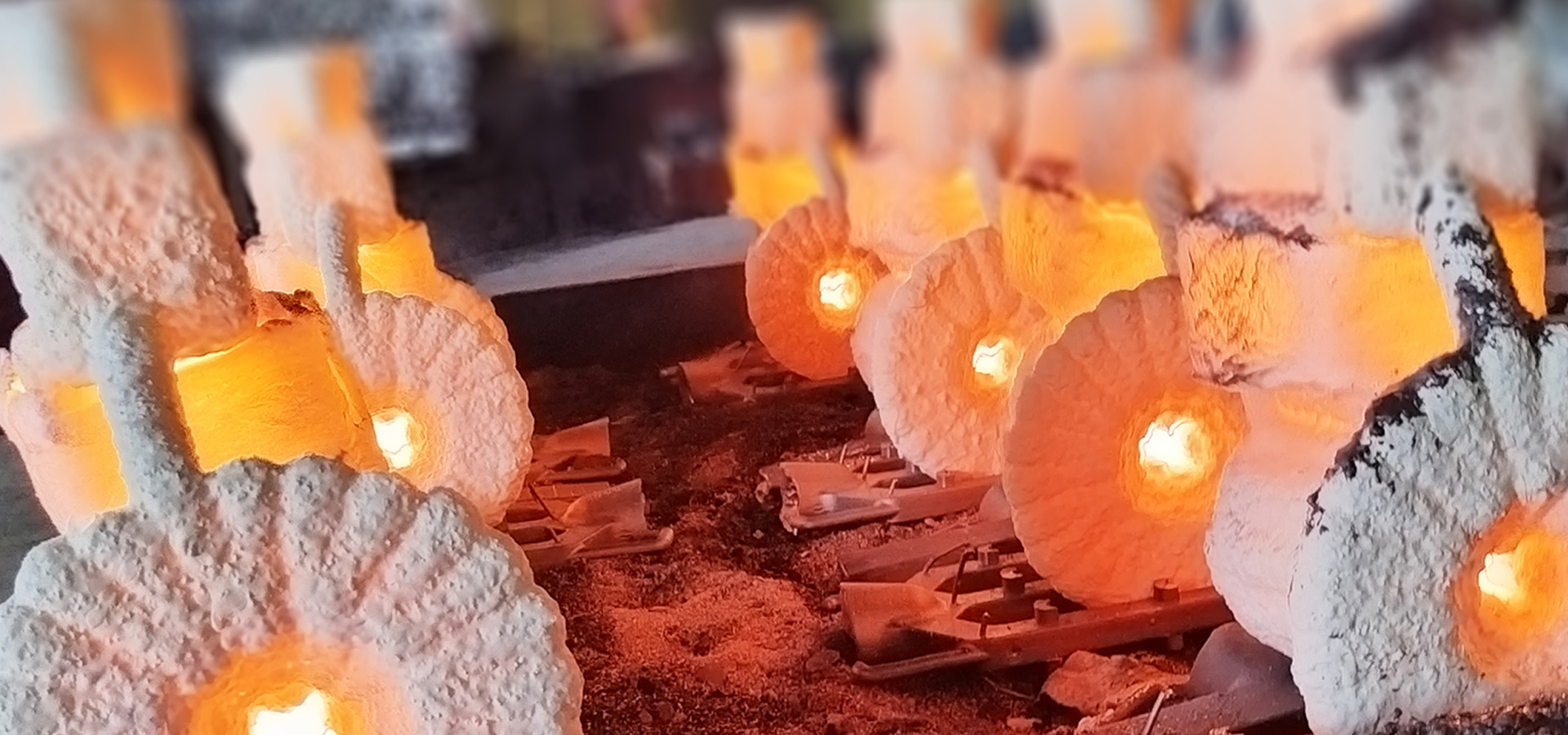
There are two major categories of lost wax casting: solid mold and ceramic shell mold. The ceramic shell mold is a modified method from solid mold.
MORE +
VDV provides rough stainless steel precision castings for numerous well-known global companies and has been recognized as an outstanding supplier multiple times.
MORE +
Investment casting can apply any material and more flexible of production capacity.
MORE +
All our endeavors are geared towards becoming your premier provider of precision castings!
MORE +
Argon shielding (purity ≥99.999%), ER316L filler wire, post-weld grinding to Ra ≤6.3 μm.
MORE +Unlocking the World of Precision Casting: Applications You Didn't Know About
Release time:
Sep 19,2025
Introduction to Precision Casting
Have you ever marveled at the intricate designs of modern machinery or the stunning detail in artistic sculptures? Well, you might want to thank Precision Casting for that! This remarkable technique is revolutionizing how we manufacture complex parts across multiple industries. But what exactly is it, and where is it used? Buckle up, because we're about to dive deep into the fascinating world of precision casting!
What is Precision Casting?
Precision casting, often referred to as lost-wax casting, is a manufacturing process that involves creating detailed metal parts from a wax model. The model is coated in a ceramic material, heated to remove the wax, and filled with molten metal. The result? Highly accurate and intricate components that are often lighter and stronger than those produced by traditional methods. Pretty neat, right?
Industries That Benefit from Precision Casting
Let's take a closer look at some industries that have embraced this innovative technique:
1. Aerospace
In the aerospace sector, safety and performance are paramount. Precision casting allows manufacturers to produce lightweight, high-strength components that can withstand extreme conditions. From engine parts to intricate brackets, precision casting is a game-changer in ensuring that aircraft are both efficient and reliable.
2. Automotive
When it comes to cars, every little detail matters. From gears to engine components, the automotive industry leverages precision casting to create parts that are both durable and cost-effective. Plus, the reduced weight of precision cast components can lead to better fuel efficiency. Talk about a win-win!
3. Medical Devices
The medical field is another area where precision casting shines. Surgical instruments and implants often require the utmost precision and quality. With precision casting, manufacturers can produce complex shapes and designs that meet stringent health standards—ensuring patient safety is always the top priority.
The Benefits of Precision Casting
You might be wondering, "Why should I care about precision casting?" Well, let me tell you, there are several benefits that make this technique stand out:
- High Accuracy: Precision casting can produce parts that are incredibly close to their final dimensions, reducing the need for additional machining.
- Complex Geometries: It can create intricate shapes that would be nearly impossible to achieve with other methods.
- Material Efficiency: The process minimizes waste, making it a more sustainable option in manufacturing.
Challenges in Precision Casting
Of course, like any process, precision casting isn't without its challenges. One of the main hurdles is the initial setup cost, which can be quite high. Additionally, achieving consistent quality can be tricky, especially when working with different metals. However, with advancements in technology, many of these challenges are being addressed.
The Future of Precision Casting
The future looks bright for precision casting! As industries continue to demand more complex and lightweight parts, this technique will undoubtedly play a pivotal role. With ongoing research and development, we can expect even more innovations in material science and process efficiency. Who knows? We might just see precision casting take center stage in industries we haven't even thought of yet!
Conclusion
So, there you have it! Precision casting is not just a manufacturing technique; it's a gateway to innovation across multiple sectors. Whether it's helping planes soar through the skies or making our cars more efficient, this method is shaping the future of manufacturing as we know it. Next time you see a finely crafted metal part, you might just think of the magic of precision casting!
Related News
Welcome Alfa Laval‘s Expert Guidance Visit
Aug 10,2025
Welcome SPX leaders to visit and guide us
May 22,2025
Warmly welcome GEMU leaders to visit
Aug 09,2025
Tel:
E-mail:
Address:
Dazhuge Industrial Park Licha Town Jiaozhou Qingdao CHINA


Message