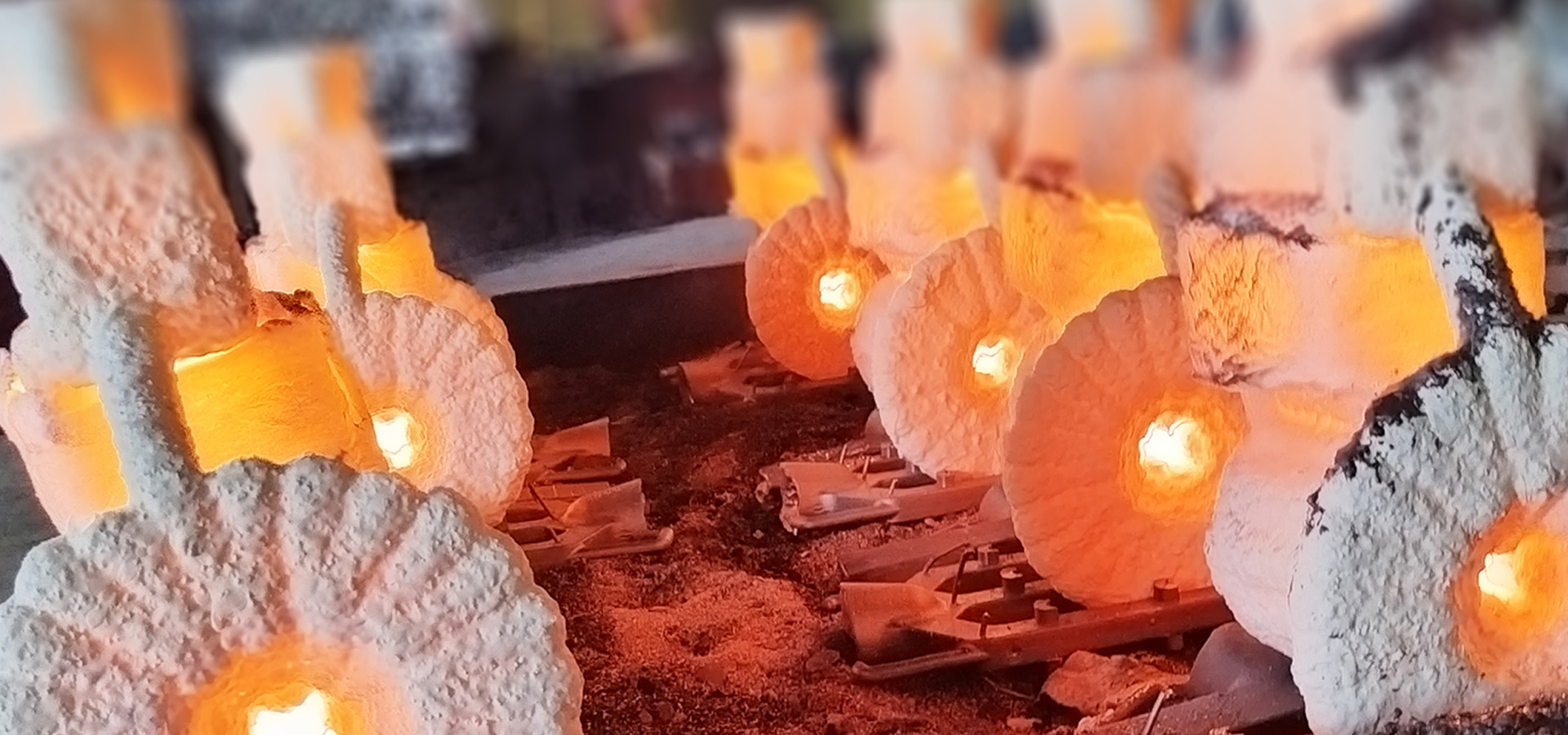
VDV maintains high standards for strict quality control and promises to strictly observe the delivery schedule.
MORE +
There are two major categories of lost wax casting: solid mold and ceramic shell mold. The ceramic shell mold is a modified method from solid mold.
MORE +
VDV provides rough stainless steel precision castings for numerous well-known global companies and has been recognized as an outstanding supplier multiple times.
MORE +
Investment casting can apply any material and more flexible of production capacity.
MORE +
All our endeavors are geared towards becoming your premier provider of precision castings!
MORE +
Argon shielding (purity ≥99.999%), ER316L filler wire, post-weld grinding to Ra ≤6.3 μm.
MORE +Precision Casting: Tips and Tricks for Success
Release time:
Sep 26,2025
What is Precision Casting?
Precision casting, a.k.a investment casting, is a remarkable manufacturing process that creates intricate parts with astounding accuracy. This method involves pouring molten metal into a mold, which is made from a wax pattern that is melted away—hence the name! But don't let the fancy terminology fool you; while it sounds complex, understanding the ins and outs can really make a difference.
Why Choose Precision Casting?
Alright, let's get down to brass tacks. Why should you consider precision casting in your next project? Well, for one, it allows for the production of parts with tight tolerances and high-quality finishes. Whether you're in aerospace, automotive, or even art, this method can provide the precision you need without breaking a sweat.
Things to Keep in Mind
Before diving headfirst into the world of precision casting, there are a few crucial considerations to keep in mind:
1. Material Selection
Choosing the right material is like picking the right ingredients for a recipe. Different metals yield different results; for instance, aluminum and stainless steel are popular choices for their durability. So, make sure to do your homework and select a material that aligns with your project's requirements.
2. Design Complexity
Let's face it, not all designs are created equal. While precision casting can handle intricate shapes, overly complex designs might lead to challenges during production. It's all about finding that sweet spot where creativity meets feasibility!
3. Temperature Control
Hot tip—literally! Temperature management is crucial in precision casting. If the molten metal is too hot, it could lead to defects. On the flip side, if it's not hot enough, it won't fill the mold properly. Keeping an eye on the temperature can save you a ton of headaches down the line.
The Process of Precision Casting
Now that we've covered some key considerations, let's walk through the typical steps of the precision casting process:
1. Create a Wax Pattern
The first step is to create a wax pattern of the part you want to produce. This pattern will be used to make the mold. Make sure it accurately reflects all the details!
2. Build a Shell
Next, the wax pattern is coated with a fine sand and ceramic mixture to create a mold shell. This shell will be your mold, so it needs to be sturdy.
3. Melt the Wax
Once your shell is ready, it's time to melt away that wax. This leaves a hollow mold ready to be filled with molten metal.
4. Pour the Metal
Here comes the exciting part! Pour the molten metal into the shell and let it cool. Patience is key here; rushing the cooling process can lead to cracks or defects.
5. Remove the Mold
After the metal has cooled, it's time to break away the shell and reveal your new casting! You'll want to inspect it for any imperfections.
Finishing Touches
Don't forget about finishing touches! Depending on your requirements, you may need to sand, polish, or even coat your newly cast part. These final steps can make or break the overall quality of your product.
Final Thoughts
Precision casting is an incredible process that marries art with science, but like any craft, it demands attention to detail. By keeping these considerations in mind and following the steps methodically, you can reap the rewards of beautifully crafted, precise components that stand the test of time. So, roll up your sleeves and get casting!
Related News
Welcome Alfa Laval‘s Expert Guidance Visit
Aug 10,2025
Welcome SPX leaders to visit and guide us
May 22,2025
Warmly welcome GEMU leaders to visit
Aug 09,2025
Tel:
E-mail:
Address:
Dazhuge Industrial Park Licha Town Jiaozhou Qingdao CHINA


Message