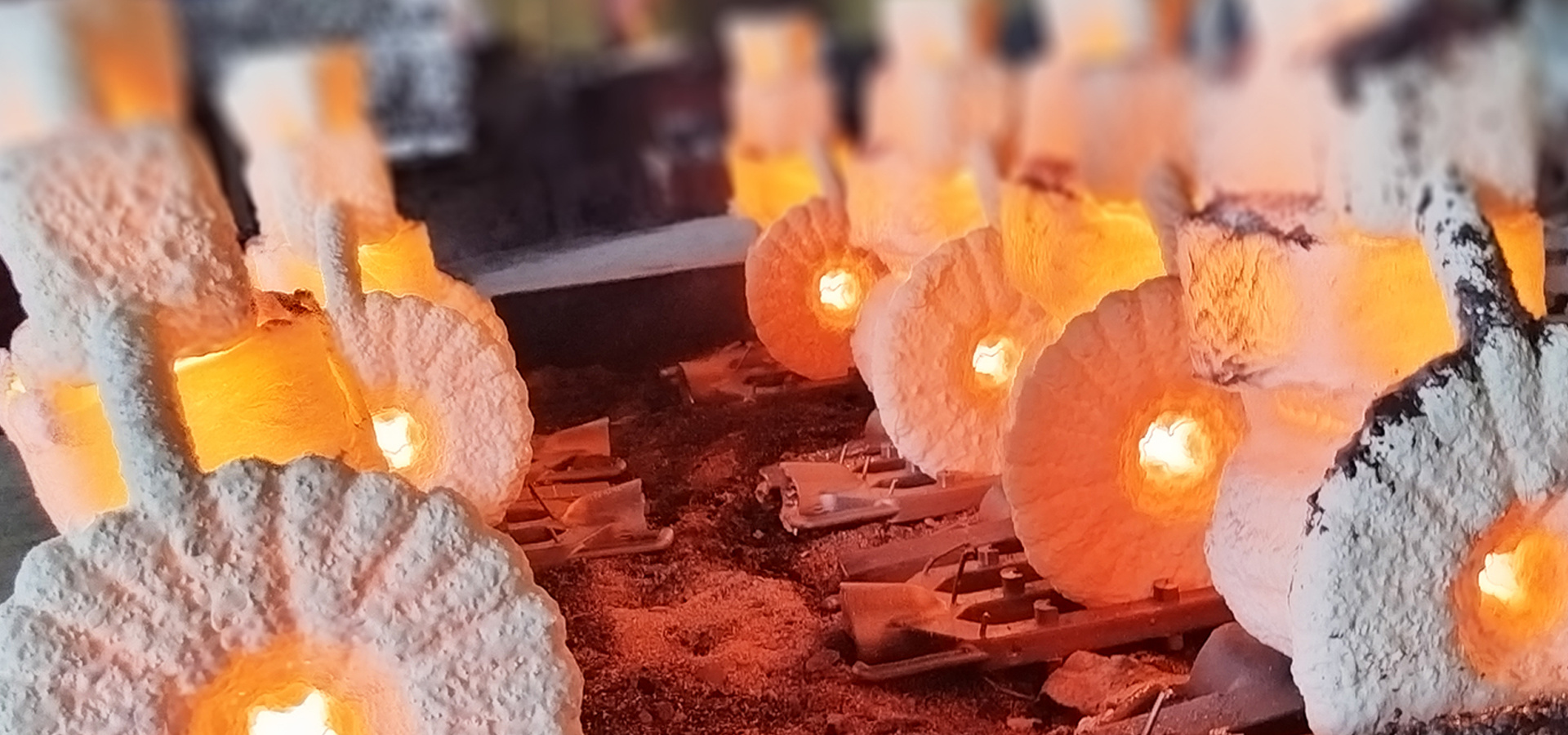
VDV maintains high standards for strict quality control and promises to strictly observe the delivery schedule.
MORE +
There are two major categories of lost wax casting: solid mold and ceramic shell mold. The ceramic shell mold is a modified method from solid mold.
MORE +
VDV provides rough stainless steel precision castings for numerous well-known global companies and has been recognized as an outstanding supplier multiple times.
MORE +
Investment casting can apply any material and more flexible of production capacity.
MORE +
All our endeavors are geared towards becoming your premier provider of precision castings!
MORE +
Argon shielding (purity ≥99.999%), ER316L filler wire, post-weld grinding to Ra ≤6.3 μm.
MORE +Demystifying Precision Casting: Answers to Common Questions
Release time:
Oct 03,2025
What is Precision Casting?
Let's kick things off with the basics! Precision casting, often known as investment casting, is a manufacturing process that creates highly detailed metal parts. Sounds fancy, right? Basically, it's a technique that allows manufacturers to produce complex shapes with incredible accuracy. This method employs a wax pattern, which is coated in a ceramic shell, melted away, and voila! You've got yourself a metal piece that fits your needs like a glove.
How Does Precision Casting Work?
Now, if you're wondering about the nitty-gritty, let's break it down. First off, a pattern is made, usually from wax, which is then covered with a fine ceramic material. After it's heated, the wax melts (hence the name!), leaving a mold behind. Once the mold is ready, molten metal is poured in, and after cooling, the ceramic shell is removed, revealing the final product. Easy peasy, right?
Why Choose Precision Casting?
Alright, let's get to the crux of the matter—why should you opt for precision casting? Well, for starters, it allows for the production of intricate designs without needing extensive machining. That means you save both time and money. Plus, the surface finish is superb, which can reduce the need for additional finishing processes. Talk about a win-win!
Common Questions About Precision Casting
Got questions? We've got answers! Here are some of the most frequently asked questions about precision casting:
1. What Materials Can Be Used?
Precision casting can be done with various metals, including aluminum, steel, and even some superalloys. The choice of material often depends on the application and desired properties. So, if you're looking for strength, durability, or corrosion resistance, there's likely a metal out there that fits the bill!
2. What Are the Limitations?
Every rose has its thorn, and precision casting is no different. While it's fantastic for complex shapes, it might not be the best choice for very large parts. Additionally, the initial setup cost can be a bit steep, so it's often more economical for larger production runs. So if you're just looking for a one-off piece, you might want to consider other options.
3. How Accurate is Precision Casting?
Hold onto your hat! Precision casting offers incredible accuracy, often with tolerances of just a few thousandths of an inch. That means you can get parts that fit together like a puzzle—no more awkward gaps or mismatched pieces. This level of precision is especially crucial in industries like aerospace and medical, where every detail matters.
The Advantages of Precision Casting
Let's wrap things up with some of the standout benefits of precision casting:
- Cost-effective: Especially for larger production runs, precision casting can save you bucks.
- Complex geometries: It's the go-to method for intricate designs.
- Less waste: This method is known for its efficient use of materials, meaning less scrap metal!
In Conclusion
There you have it—precision casting demystified! Whether you're a manufacturer, designer, or just a curious reader, understanding this process can open doors to a world of possibilities. So the next time you hear about precision casting, you can nod knowingly and maybe even throw in a fun fact or two!
Related News
Welcome Alfa Laval‘s Expert Guidance Visit
Aug 10,2025
Welcome SPX leaders to visit and guide us
May 22,2025
Warmly welcome GEMU leaders to visit
Aug 09,2025
Tel:
E-mail:
Address:
Dazhuge Industrial Park Licha Town Jiaozhou Qingdao CHINA


Message